Ohio Open Doors
The dates for the 2026 season of “Ohio Open Doors” will be September 10th to September 20th, 2026.
About Ohio Open Doors (OOD)
The Ohio History Connection created Ohio Open Doors in 2016 to promote and inspire pride in Ohio’s heritage and to celebrate the National Historic Preservation Act.
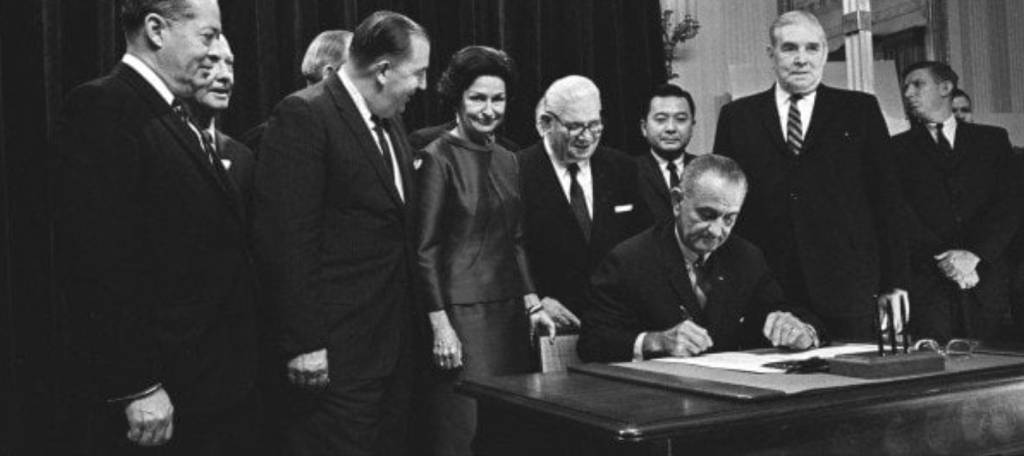
Signed by President Lyndon B. Johnson on Oct. 15, 1966, the Act has proven instrumental in transforming the face of communities from coast to coast, establishing the legal framework and incentives to preserve historic buildings, landscapes and archaeological sites.
The Act drives economic revitalization by attracting investment, supporting small business, stabilizing neighborhoods and creating jobs. “Ohio Open Doors shares stories of important landmarks and interesting places right in our communities, highlighting the history and unique nature of some of Ohio’s most treasured sites,” says Diana Welling, Director of the Ohio History Connection’s State Historic Preservation Office.
Exploring Our Local Treasures
During this ten-day biennial celebration, historic sites across the Buckeye State open their doors to the public for special tours, behind-the-scenes access, and unique programming—all free of charge. Ohio Open Doors is more than just a series of events; it is a statewide effort to connect residents with the tangible history that surrounds them every day.
By participating in Ohio Open Doors, the Crawford County History Alliance and its partners aim to foster a deeper appreciation for the architectural gems and cultural narratives that define our region. Whether it’s a grand courthouse, a preserved family home, or an industrial landmark, these sites represent the grit and ingenuity of those who built Crawford County.
A Legacy of Preservation in Crawford County
The connection between the National Historic Preservation Act and our local community is visible in the very fabric of our downtowns and rural landscapes. In Crawford County, preservation is not just about looking backward; it is an active investment in our community’s future.
The National Register of Historic Places serves as the gold standard for recognizing sites worthy of preservation. Because the State Historic Preservation Office (SHPO) oversees this program, Ohio Open Doors serves as the perfect biennial showcase for the Crawford County sites that have earned this prestigious designation. These locations stand as living monuments to the various eras of Ohio’s development, from early settlement through the industrial boom.
Statewide Celebration with Local Roots
Ohio Open Doors is more than just a tour; it is a biennial event where historic buildings and sites—many not usually open to the public—invite visitors to discover the stories behind their walls. During the 10-day event, Crawford County stands as a testament to the National Historic Preservation Act’s success. Our local landmarks offer a tangible connection to the past, ranging from the industrial ingenuity of the 19th century to the preservation of early American education.
Many In National Register
The Ohio History Connection’s State Historic Preservation Office administers the National Historic Preservation Act in Ohio. Many of the landmarks featured in Ohio Open Doors events are in the National Register of Historic Places, which the National Historic Preservation Act created.
Six CCHA members are listed on the National Register of Historic Places.
CCHA Member Locations: Landmarks of Crawford County
The following sites represent the heart of our county’s inclusion in the National Register of Historic Places. Their participation in Ohio Open Doors allows visitors to experience the diverse heritage of our region.
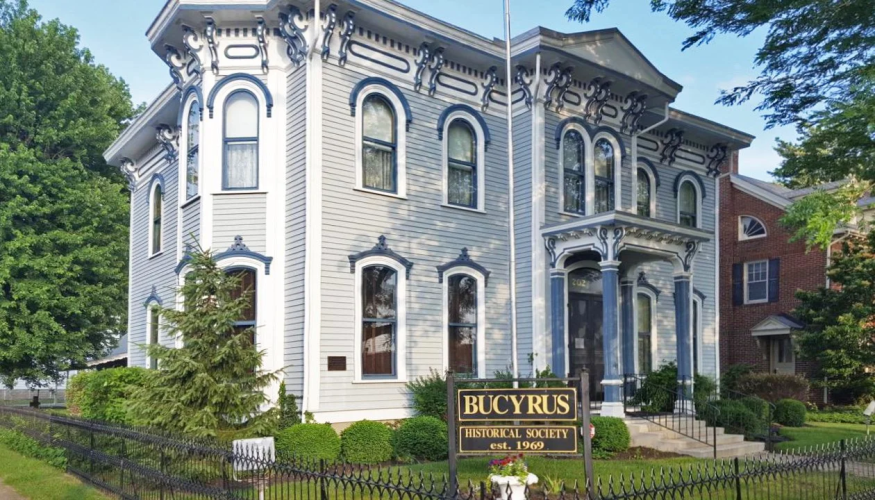
Scroggs House (Bucyrus Historical Society)
Located on one of the original town lots established in 1821, the Scroggs House served a single family for over 125 years. Today, it stands as a museum showcasing the domestic life and unique artifacts of Bucyrus’s early residents, offering a snapshot of our community’s foundational years.
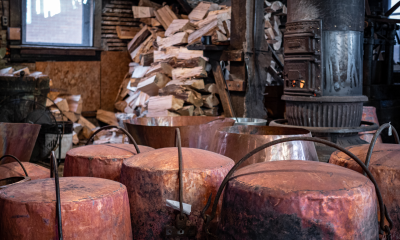
Bucyrus Copper Kettle Works Museum
A rare example of living industrial history, this site has produced handmade copper items in the same location for over 140 years. As one of the last remaining shops of its kind in the United States, it illustrates the craftsmanship and economic drive that the National Historic Preservation Act seeks to protect.
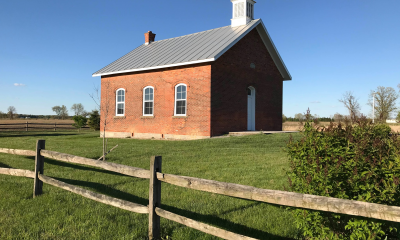
This 1876 red brick schoolhouse is a “living museum” of early education. Restored by descendants of the original pioneer family, it serves as a reminder of the values of respect and hard work that shaped Crawford County’s first settlers.
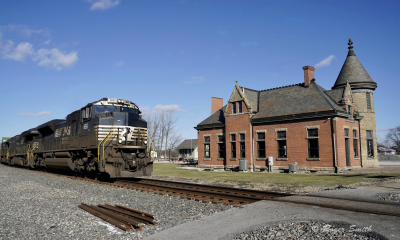
Once a vital link in the “Coal Line,” this depot fueled the industrial growth of Ohio. Its preservation reminds us of the era when the railroad was the lifeblood of Bucyrus, connecting our local manufacturers to the rest of the nation.
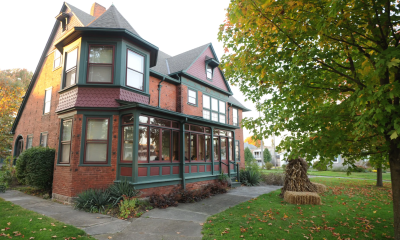
Brownella Cottage and Grace Episcopal Church
This architectural gem is a time capsule of the late 19th century. Built as a wedding gift for Bishop William Montgomery Brown and his wife Ella, the complex is renowned for its unique Shingle and Queen Anne style elements and its fascinating association with one of Galion’s most outspoken historical figures.
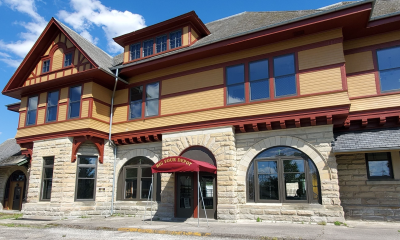
The Big Four Depot was once one of the busiest railroad hubs in the Midwest, serving as a “whistle stop” for presidential candidates including Franklin D. Roosevelt and Dwight D. Eisenhower. Ongoing restoration efforts at the depot exemplify the economic revitalization and community pride championed by the Ohio History Connection.
Why Preservation Matters
By visiting these sites during Ohio Open Doors, you are participating in a larger movement to ensure that the “unique nature of some of Ohio’s most treasured sites” remains for future generations. These buildings are not just relics; they are the anchors of our community’s identity and the foundation for our future growth.